
Other Cuban blogs, click below to view the list.

Copyright © 2020 JACK L. WINEGAR All Rights Reserve.
Travel the World with Jack
Copyright © 2020 JACK L. WINEGAR All Rights Reserve.
Copyright © 2020 JACK L. WINEGAR All Rights Reserve.
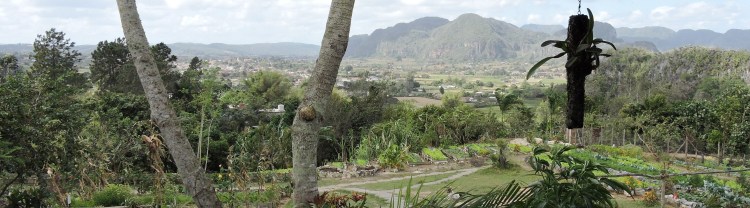
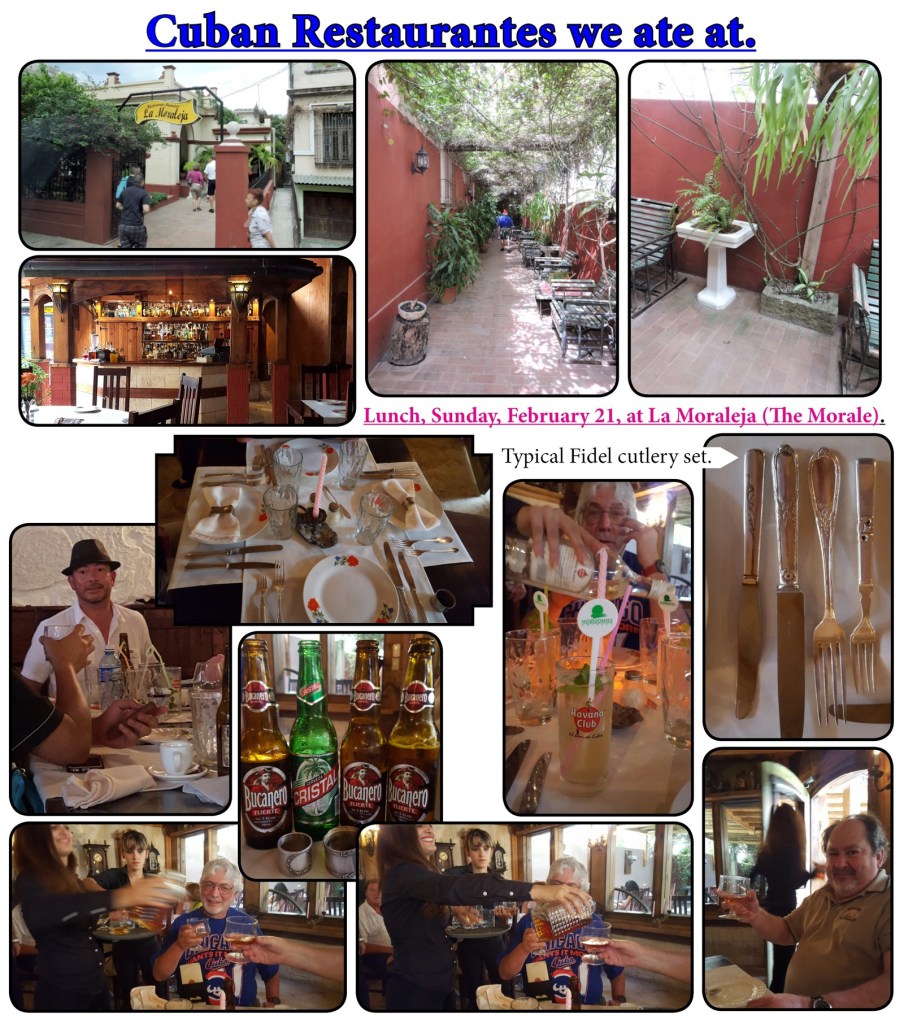
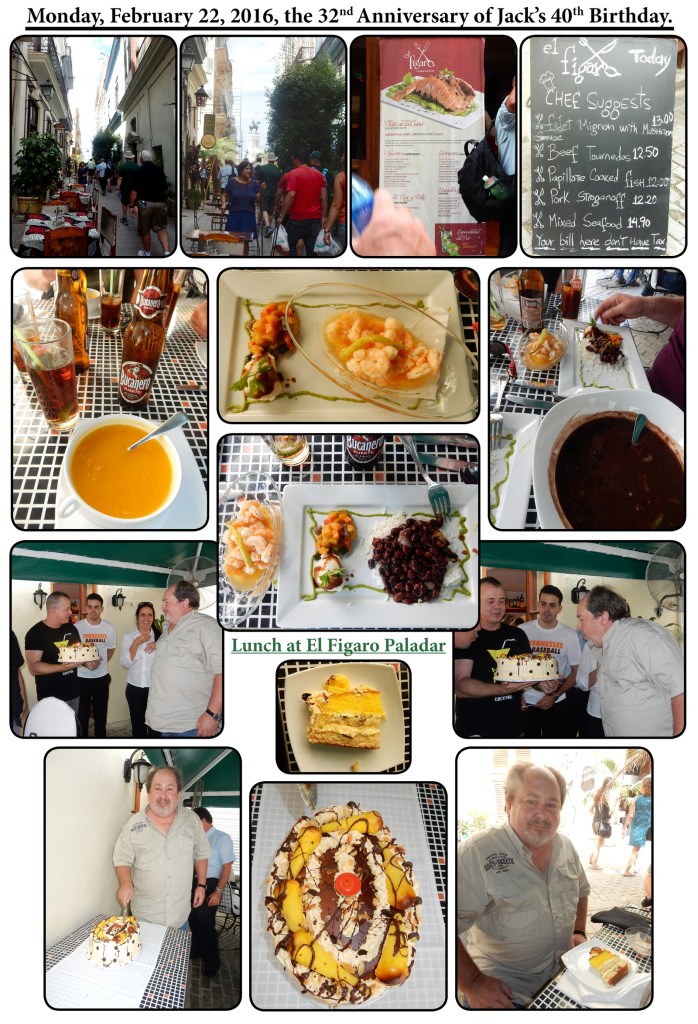
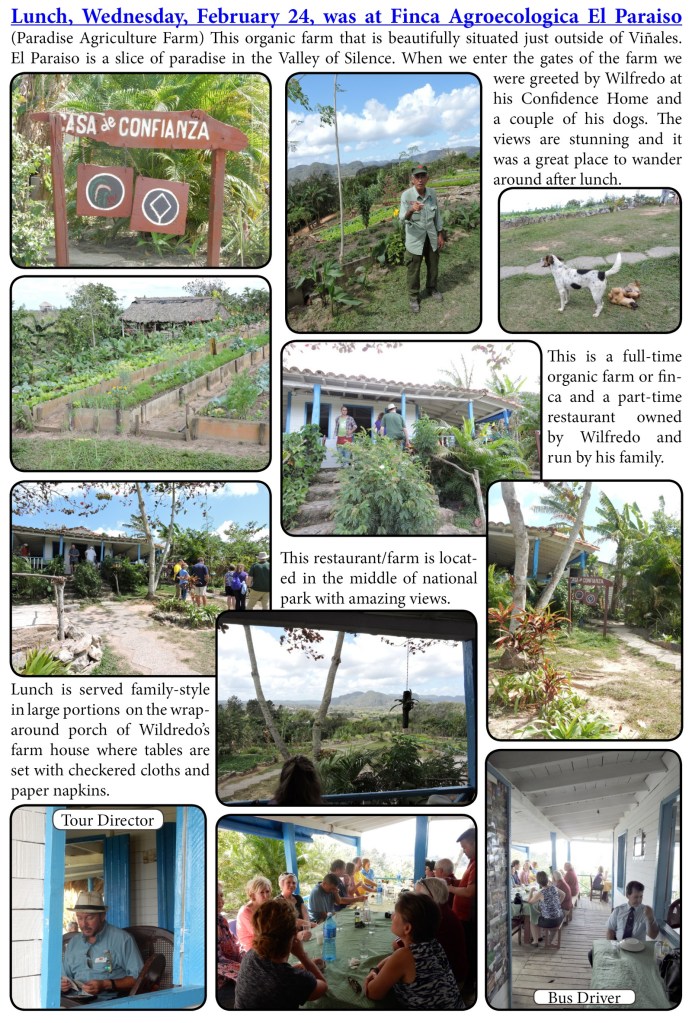
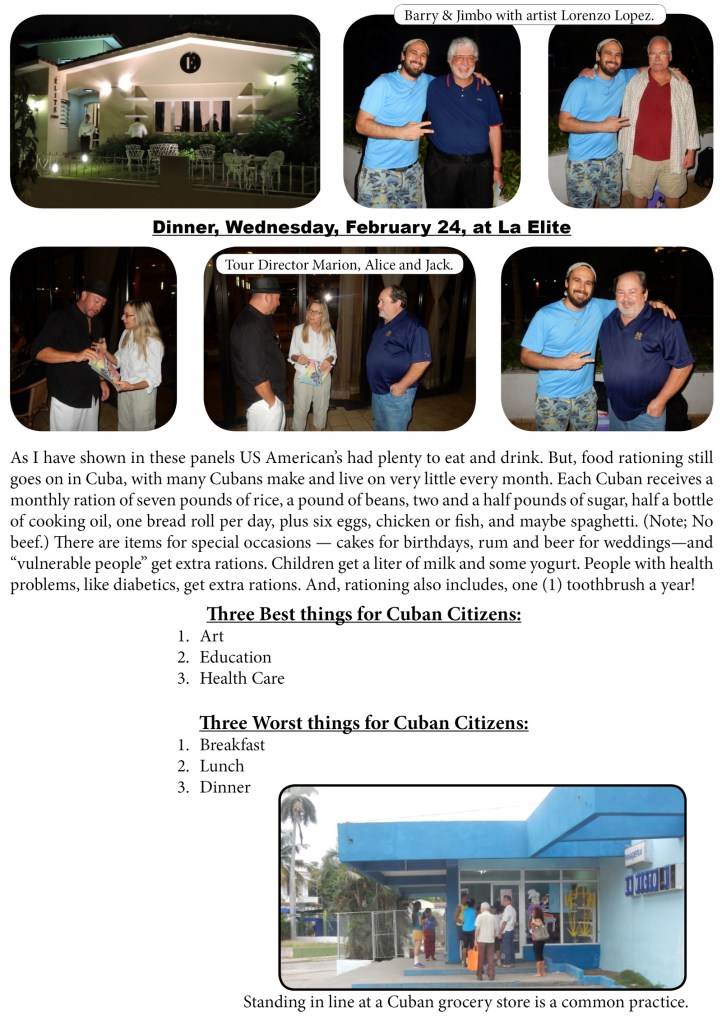
OK, what has Cuba got going for it? EVERY meal, I mean every meal! Cuban meals consisted of shredded cabbage-sliced tomatoes/cucumbers without dressing, delicious grilled chicken, lamb, & pork, (Note; No beef!) rice sprinkled with black beans every day of the tour. Many dishes included big pieces of lobster. I fell in love with their lamb. Often in open-air settings. But, just because an item is on a menu, didn’t mean it is available! I was unable to get a certain cocktail every day we were at our hotel bar.
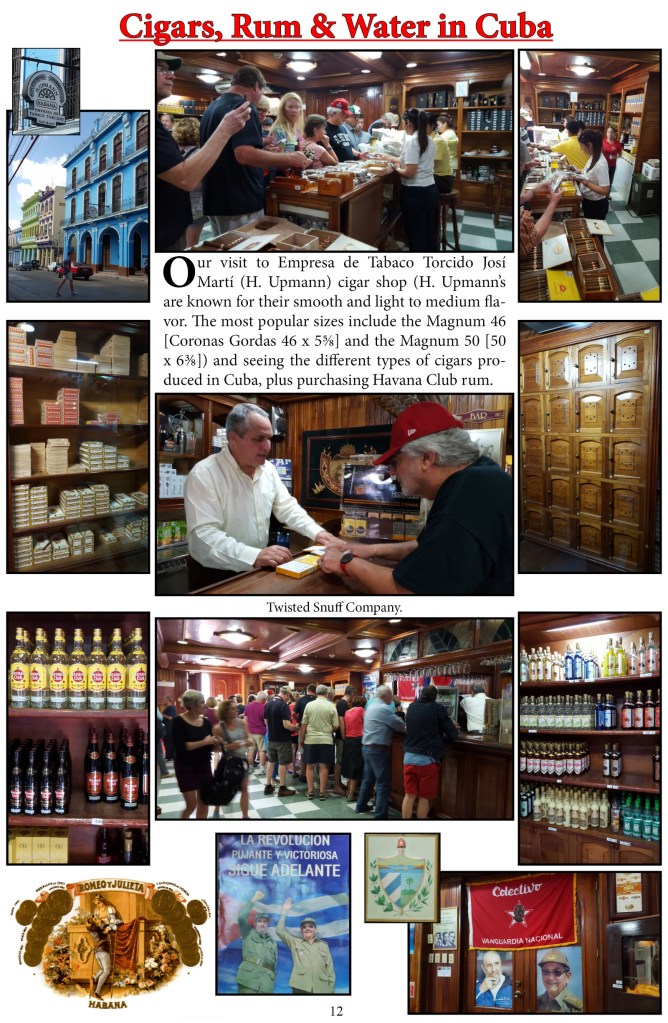
Excluding breakfast, every meal started with at least one Mojito! (Mojito must be the national cocktail of Cuba.) At every home and restaurant we visited we were GIVEN free rum! Cocktails $4, cold, COLD Beer $2. Often we were offered cigars, many times at no additional cost. WHAT A COUNTRY!
85% of the beautiful Cuban homes and mansions that were abandoned because of the Fidel’s 1959 Revolution, are now restaurants called Paladares (translates as palate). Mostly family-run, self-employers businesses, paladares are fundamentally directed to serve as a counterpart to state-run restaurants for tourists.
Until the 1990’s they were illegal, but the fall of Russia and the consequent economic crisis in Cuba forced Fidel to make economic reforms. One of these reforms was the legalization of privately owned small businesses and restaurants. Raúl Castro’s 2010 reforms resulted in a substantial increase in the number of paladares.
Copyright © 2020 JACK L. WINEGAR All Rights Reserve.
Copyright © 2020 JACK L. WINEGAR All Rights Reserve.

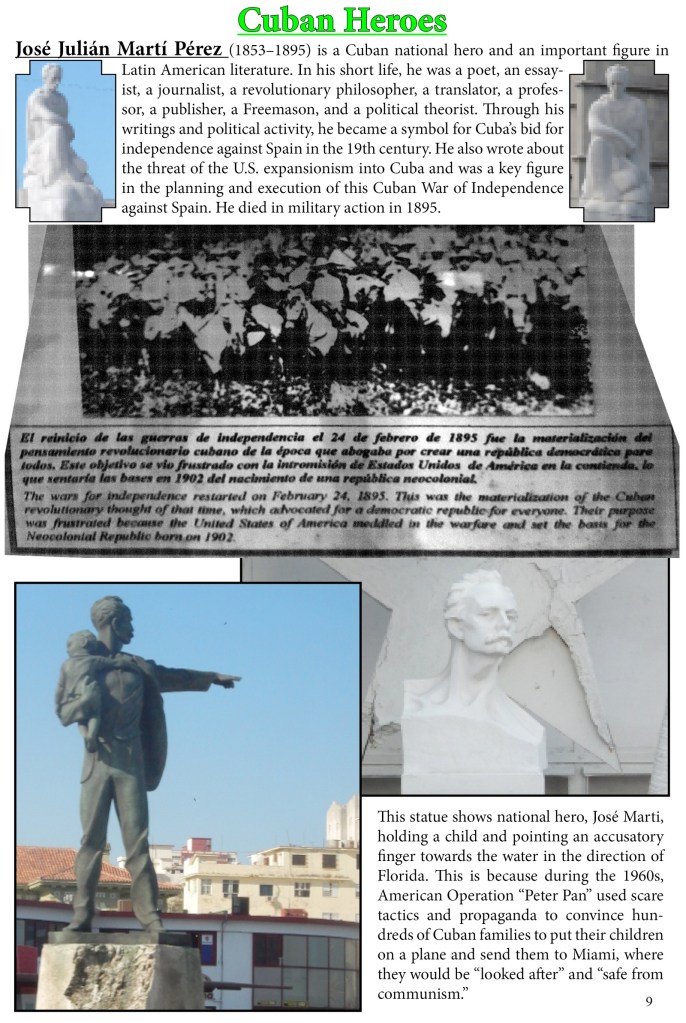
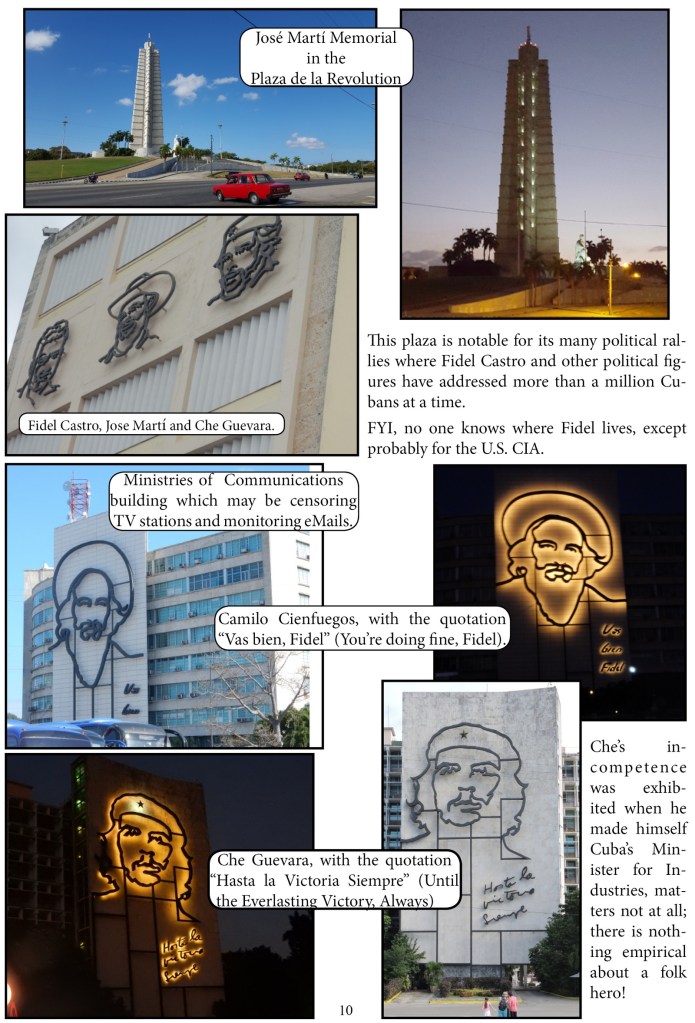
Che Guevara (1928 – 1967) sat behind an enormous, elaborate wooden desk, where he signed more than three thousand death warrants, an enthusiasm surpassed only by his pleasure he took in watching the executions, some of which took place in the nearby courtyard. First to go were the Cuban army leadership, undefeated in battle; then the “Trotskyites” real or imagined; then everyone else Che had taken a dislike to; finally anyone who had resisted, and, more than likely, anyone who had witnessed what had really occurred during his “glorious” military victories. He was, after all, the Perfect Man, and his whim became the highest moral censure.
He fancied himself a military genius, and Che’s fictional heroism in largely imaginary battles of the Revolution. Most of these battles happened only in the pages of the New York Times — “yellow journalism” works both ways. Fawning coverage by the NYT’s who turned Castro, the bumbling faux-rebel who couldn’t read a map, into “far and away the greatest figure in the nation-wide opposition to President Fulgencio Batista…. No figure has attained this stature in Cuba since the struggle for independence against Spain.” And, regrettable, much of the establishment fell into line behind the “newspaper of record.”
The Castro-Guevara strategy was very clever, even if it had little to do with military ability. The rebels waited in the Sierra Maestra, granted exclusive interviews to eager journalists, recruited bored thugs, through occasional skirmishes created the impression of continuous revolutionary struggle against the Batista regime, waited for popular discontent to erupt, and then marched “victorious” into Havana, after bribing arriving soldiers to not fight at the “Battle” of Santa Clara.
A little bit of cynicism might have been expected after taking over the country; like the Castros, Guevara seized himself a villa, and could have continued to live the life of luxury that most absolute rulers and their henchmen enjoy. But Che craved power, adoration, and revenge; and he believed his own press releases. (And as the Castros’ third wheel, the brothers were happy to accommodate his recklessness, as long as it was far from Cuban soil.) Yes, indeed, he was a messiah, a socialist man of a new type, delivered to this earth to free the third world, and a military genius! He thus wrote a tome called On Guerilla Warfare, based on who knows what, and set off for Africa to liberate it, an experience that led to quick and humiliating defeat in the Congo, from which he learned nothing. His arrival in Bolivia — a second Simon de Bolivar! — was greeted with apathy, and his failure to connect with the left-wing workers and peasants, who had already won land reform and universal suffrage in their 1951 revolution (and who probably saw him for the coddled, joyless teacher’s pet that he was) was a fatal error. With his gun loaded, and the genuine soldiers under his command still putting up a fight, Che put his hands up when surrounded, begging “I’m Che! I’m worth more to you alive than dead!”
Whoops. Not to the Castros, he wasn’t. He was executed the next day. Che should have been paying attention to what happened to his fellow revolutionaries Huber Matos (20 years in prison without trial after opposing Cuba’s shift towards the Soviet Union), Camilo Cienfuegos (killed in a mysterious plane crash after being sent to arrest Matos and concluding he was blameless), Humberto Sori Marin (shot in 1961 as a counterrevolutionary), and Mario Chanes de Armas (jailed the same year on the same imaginary charges), not to mention Che’s American ally William Morgan (shot, traitor to the revolution, etc.). Like the others, Che apparently was unable to peep behind the curtain; the premises of the revolution were as fake as its battles. From the beginning, it had been about power for Fidel, and nothing else.
I lost the name of the author of this essay.
The Bolivian they got no offers to release Che and did not want a long protracted trial. They asked for a volunteer to execute him. The executioner hesitated a moment from pulling the trigger, Che has been reported saying, “I know you are here to kill me. Shoot, coward, you are only going to kill a man.” He was shot nine times so when the body was shown to the press it looked like he was killed in a shoot out.
Years later a General told others of a mass grave where a body was identified as Che from its cloths but without any hands.
Copyright © 2020 JACK L. WINEGAR All Rights Reserve.
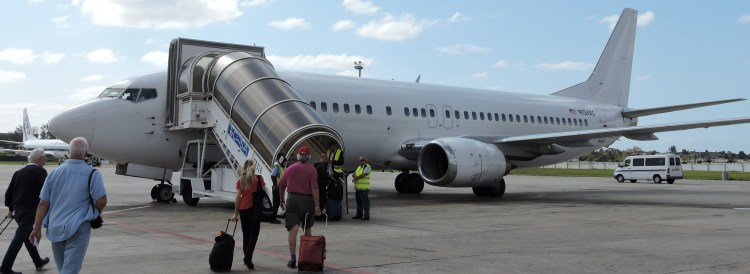
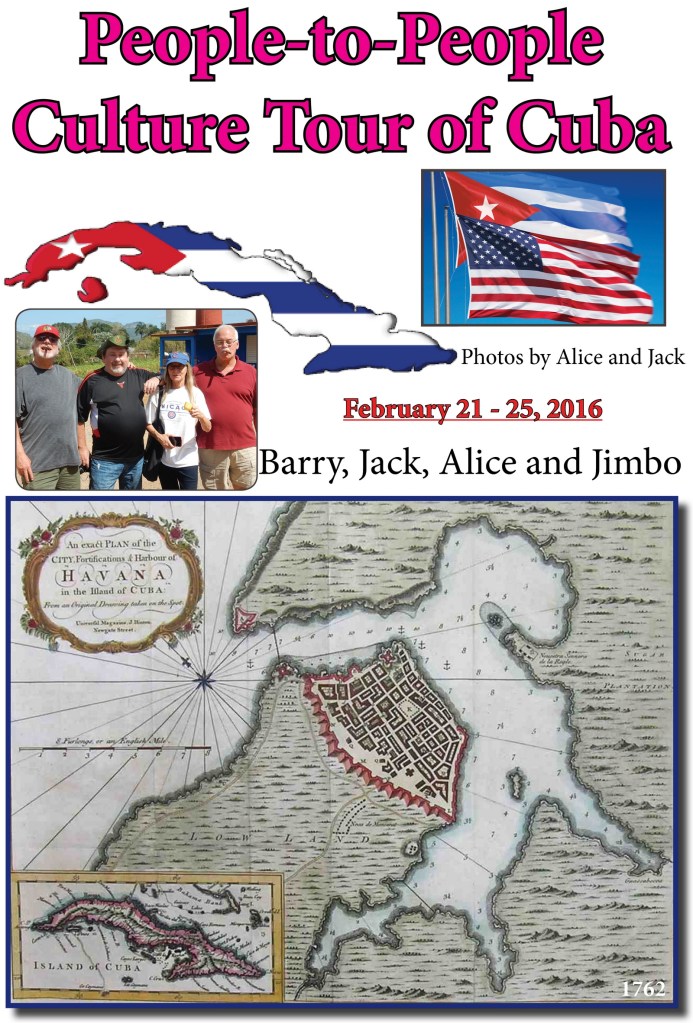
The U.S. Department of the Treasury, Office of Foreign Assets Control (OFAC), under direction from the President, regulates travel to Cuba pursuant to the Cuban Assets Control Regulations as part of the U.S. Embargo Against Cuba. Currently there are 12 categories of authorized travel to Cuba, which included educational activities which supported the culture of the Cuban people.
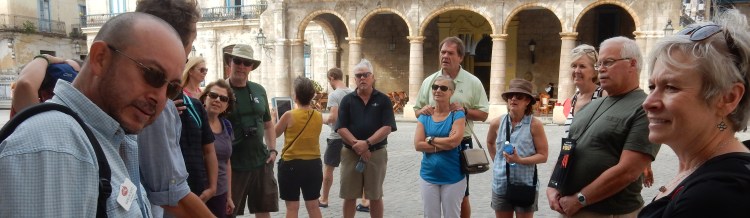
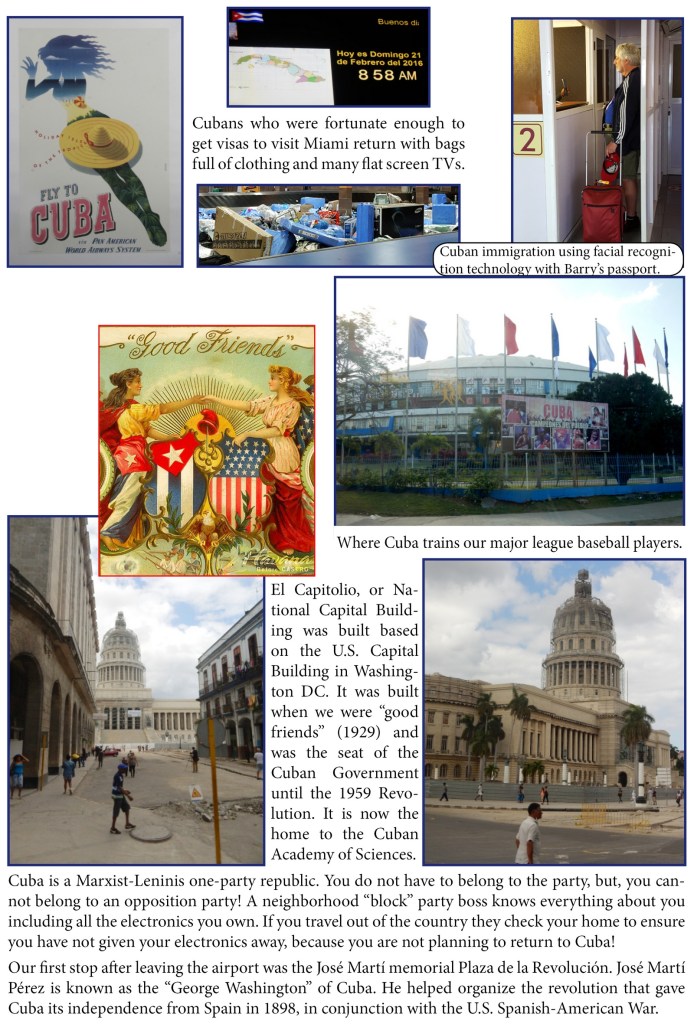
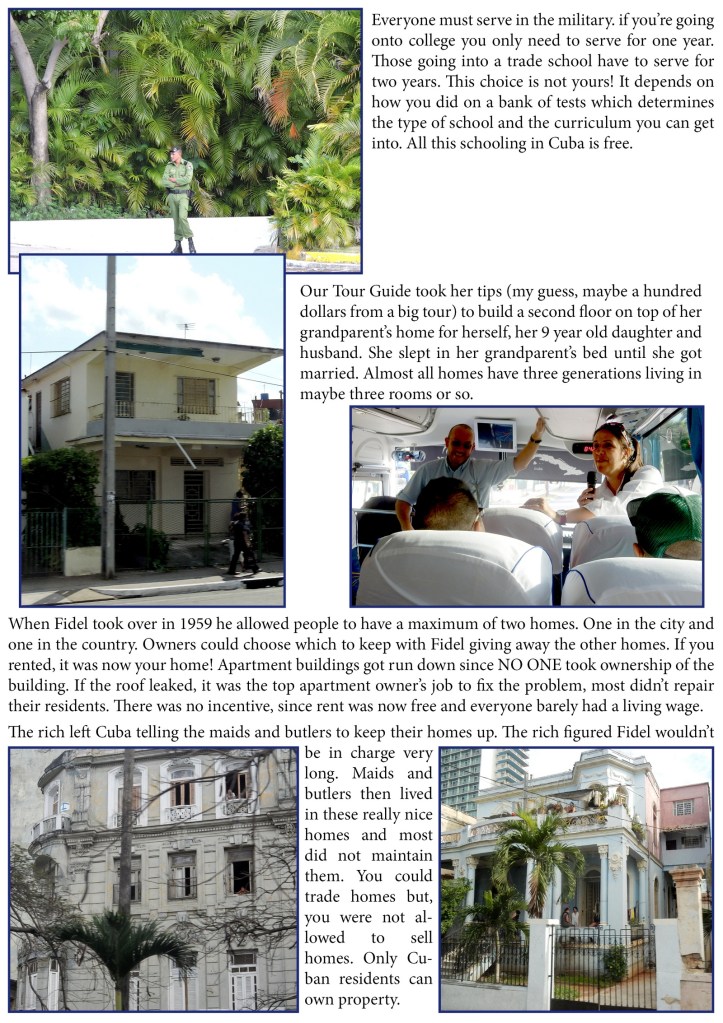
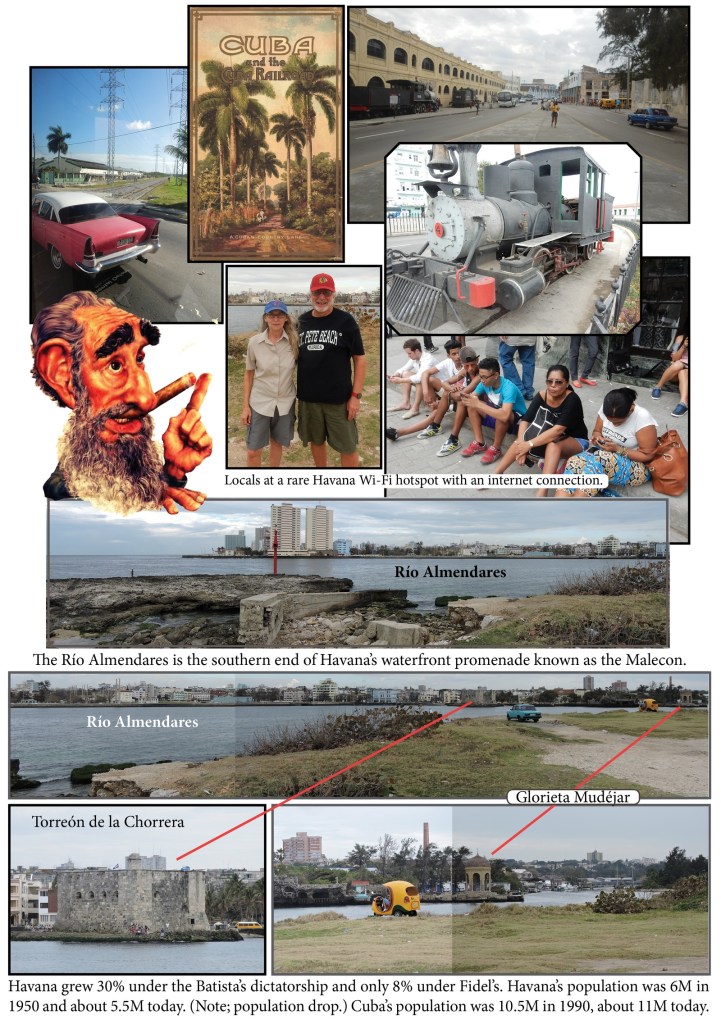
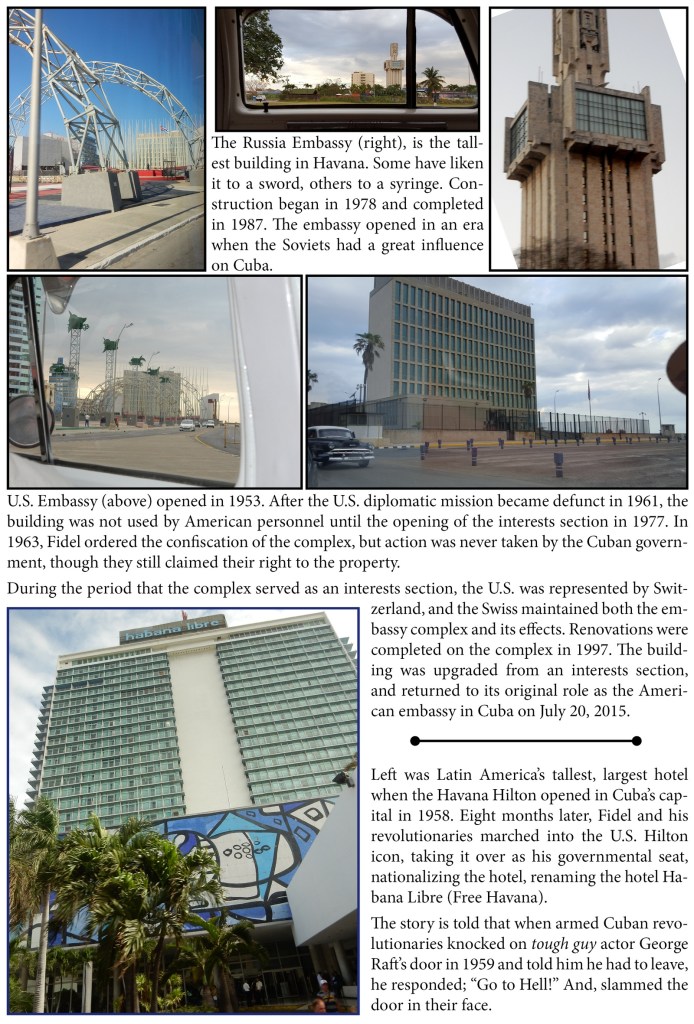
In 2016, any American could legally travel to Cuba, provided they engage in a full-time schedule of compliant activities, intended to enhance contact with the Cuban people. This is how our Apple Vacations tour was promoted and which we did daily in Cuba, February 21 to 25, 2016. At the time of this blog (January 08, 2020), this type of tour is no longer being offered.
We were told there could be as many as 30 on our tour. At the time of our Apple tour they could only get rooms for 20! Note; all our tour activities had interaction with Cuban people. The four of us thoroughly enjoyed our tour and hopefully you can pick this up from my blogs. The residents we talk with did not hold back on their thoughts on how the Cuban government operated. Some thought it could be improved others were quite content with the Cuban government. I have included my thoughts of my understanding of Cuban life in 2016.
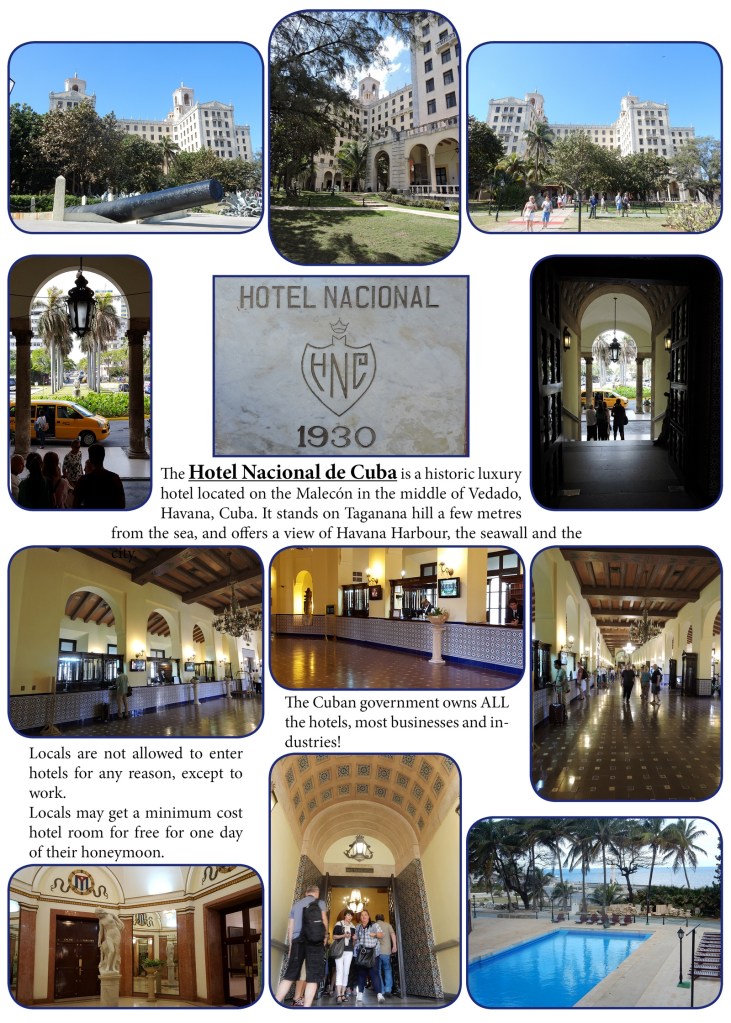
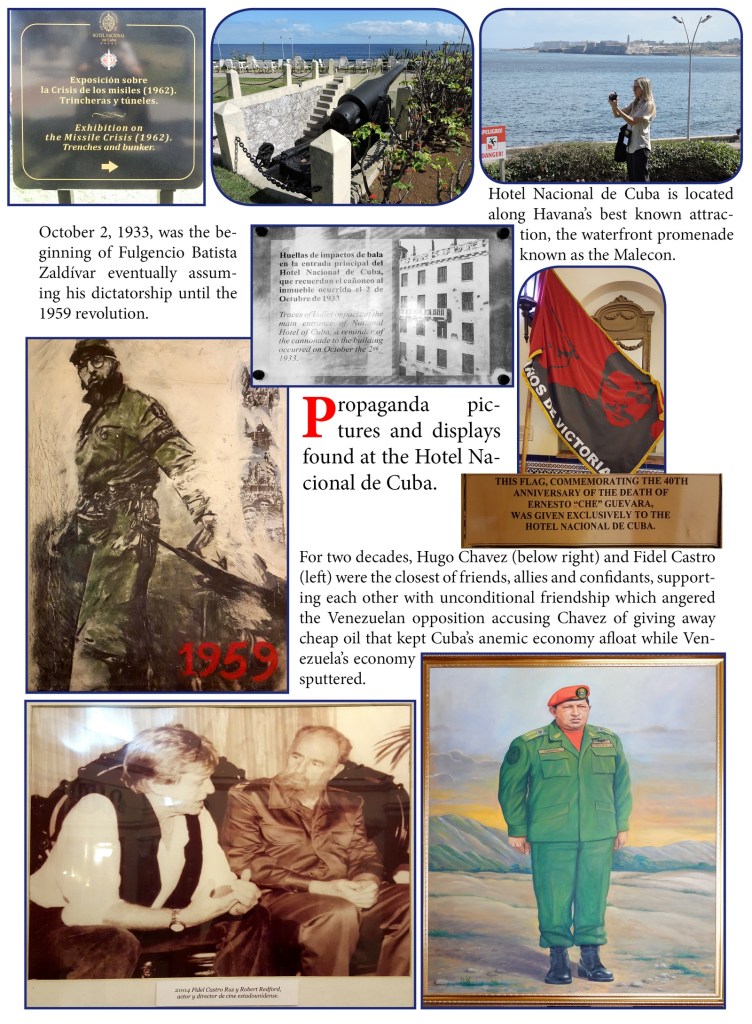
Fidel Alejandro Castro Ruz (1926 – 2016). A Marxist–Leninist and Cuban nationalist. Typical of his regime was when the Jeep that was carrying his body to the grave site, broke down. Soldiers had to push the Jeep the rest of the way.
1. Prime Minister from 1959 to 1976.
2. President of the Council of State Council of Ministers from 1976 to 2008.
3. First Secretary of the Communist Party of Cuba from 1961 until 2011.
Raúl Modesto Castro Ruz (1931 – ) The Cuban citizens I spoke to thought Raúl would be tougher than his brother Fidel when Fidel resigned as president because Raúl had been in command of the military. They now feel he has been more tolerant than Fidel.
1. Commander-in-chief of the Armed Forces from 1959 to 2008.
2. President of the Council of State Council of Ministers from 2008 tom 2018.
3. First Secretary of the Communist Party of Cuba from 2011 to present (2020).

Copyright © 2020 JACK L. WINEGAR All Rights Reserve.
Copyright © 2020 JACK L. WINEGAR All Rights Reserve.
Copyright © 2019 JACK L. WINEGAR All Rights Reserve.
Copyright © 2020 JACK L WINEGAR All Rights Reserved.

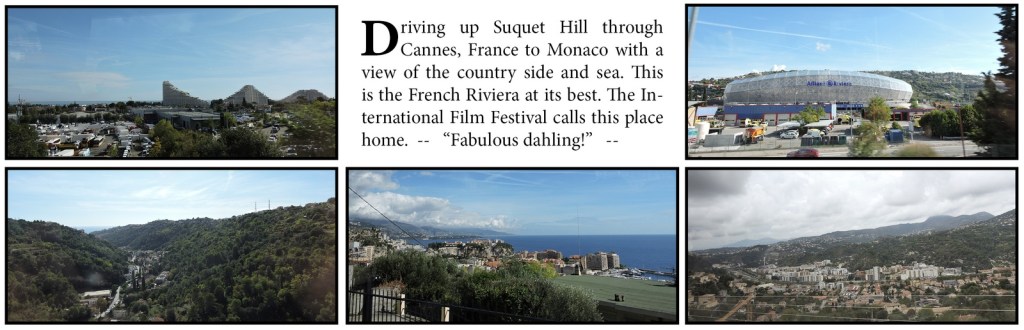
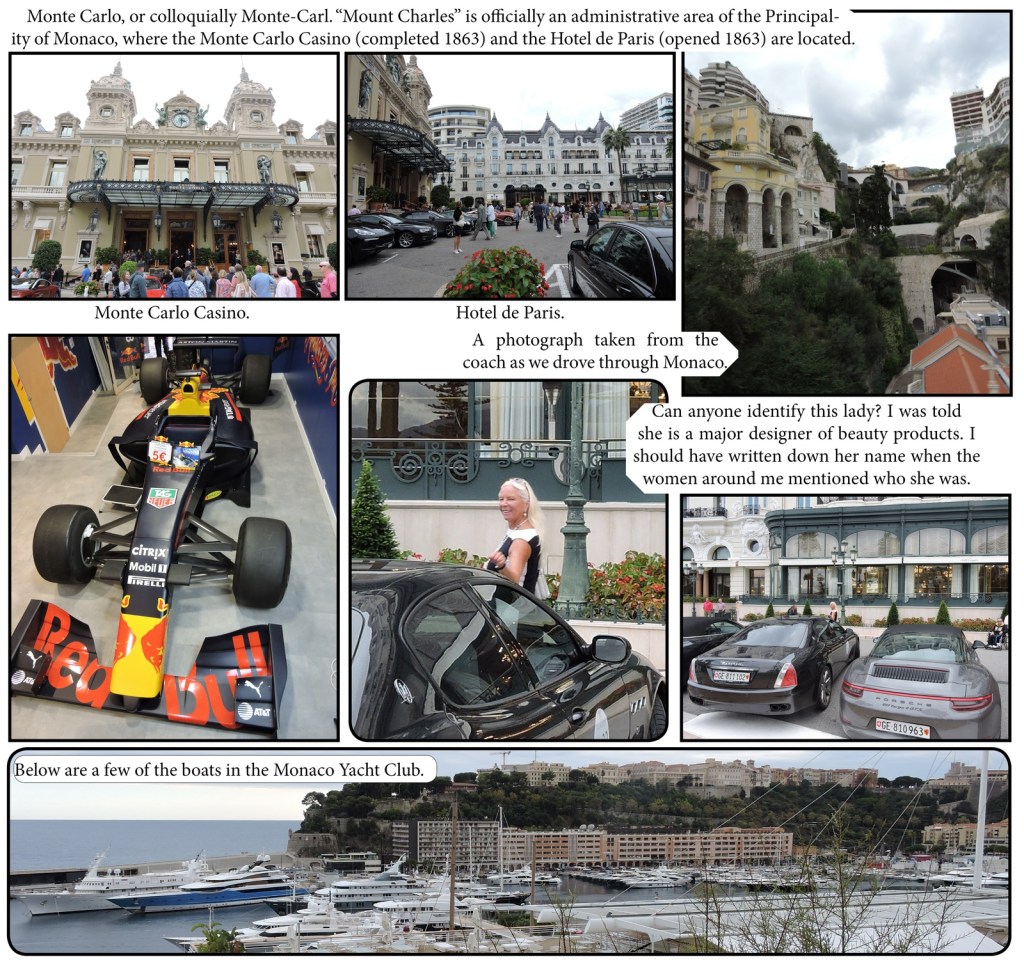
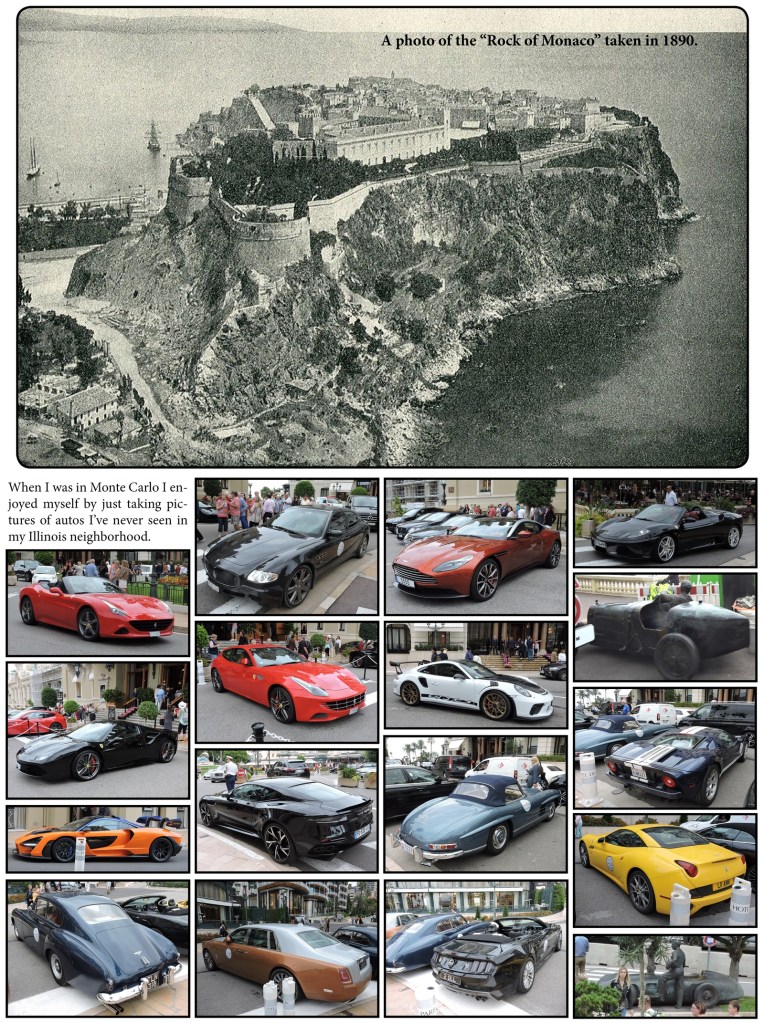
Monaco is a tiny independent city-state on France’s Mediterranean coastline known for its upscale casinos, yacht-lined harbors and prestigious Grand Prix motor race, which runs through Monaco’s streets once a year. Monte-Carlo, is a major district, home to an elegant Belle-Époque Casino complex and the ornate Salle Garnier Opera House. It also has many luxury hotels, boutiques, nightclubs and restaurants.
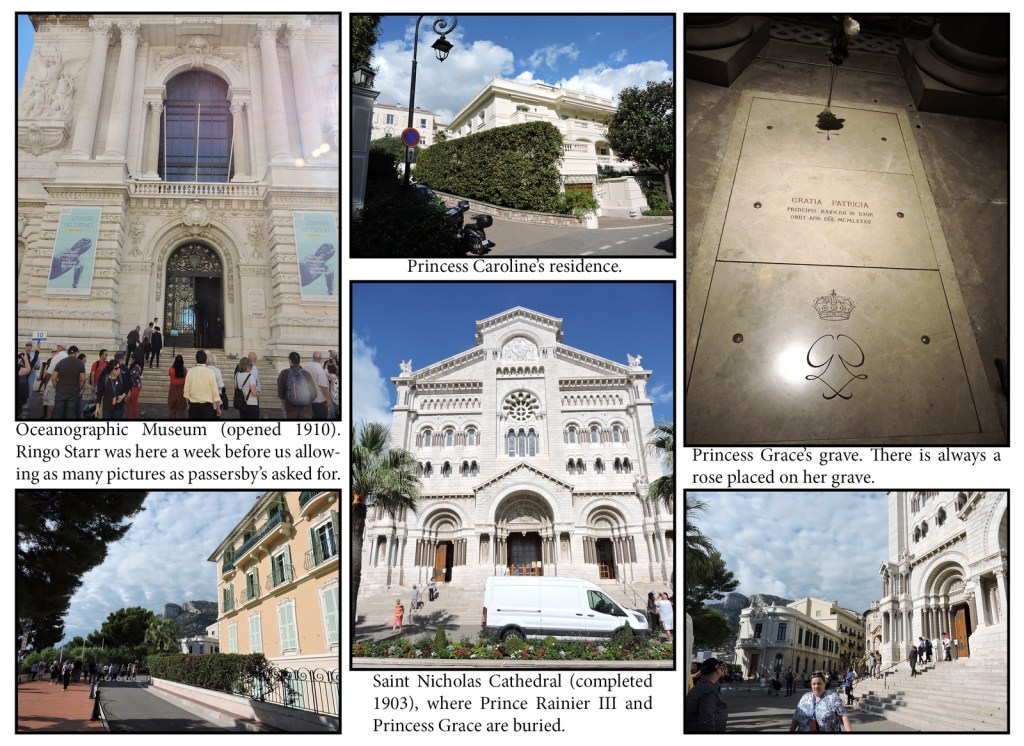
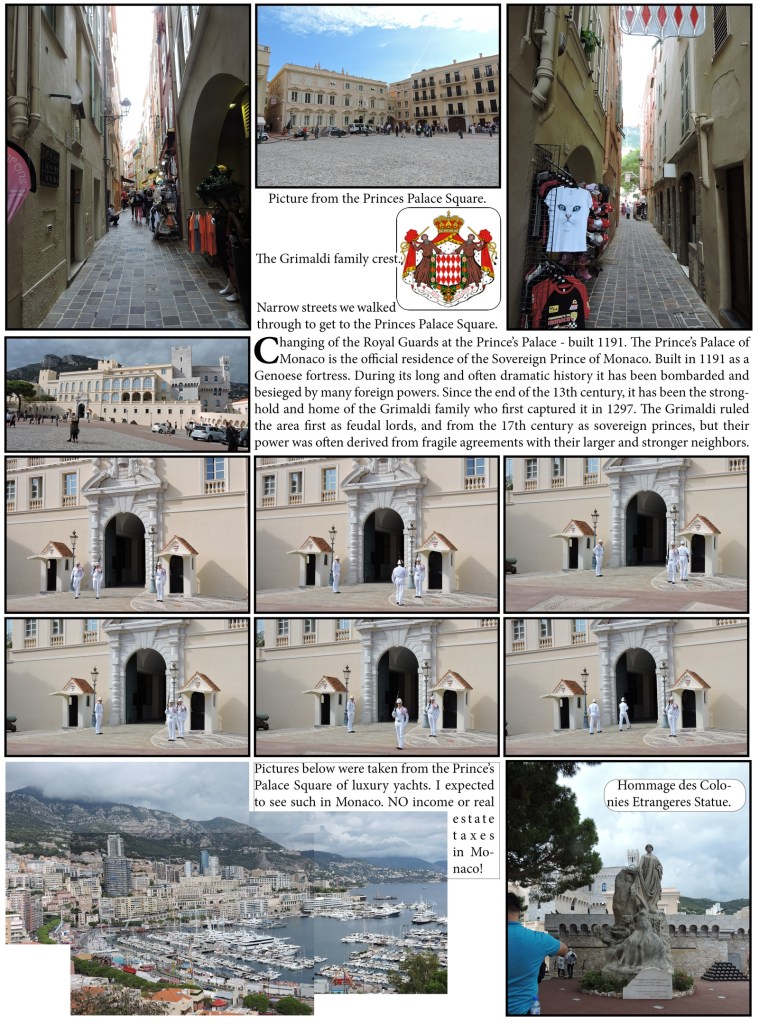
On October 17, we were driven by coach from Cannes to Monaco. After leaving the coach, we were carried to the top of the “Rock of Monaco” by escalators and elevators and started our tour of Monaco. On this level I walked passed the Oceanographic Museum, Saint Nicholas Cathedral, and to the Prince’s Palace. We were then driven to the Monte Carlo Casino square, where I could have shopped, but instead I took pictures of luxury cars at the Hotel de Paris.
In 1297 the Grimaldi family took the lordship of Monaco. Two soldiers dressed as Franciscans (with swords hidden under their habits) were allowed to enter the fortress. During the nigh they killed everyone which allowed the Grimaldi family to take over Monaco. Note; the two monks on their crest of Arms.

Click to view the other 15-Day European Jewels Cruise stops from London (Southampton) England.
Copyright © 2020 JACK L. WINEGAR All Rights Reserve.

 Jack's Travel Blog